
Functional Beverages
How to Choose a Mushroom Coffee Co-Packer
Mushroom coffee only works when the cup still tastes like coffee and the extract dose is consistent. Here is how to choose a manufacturer who can deliver both.
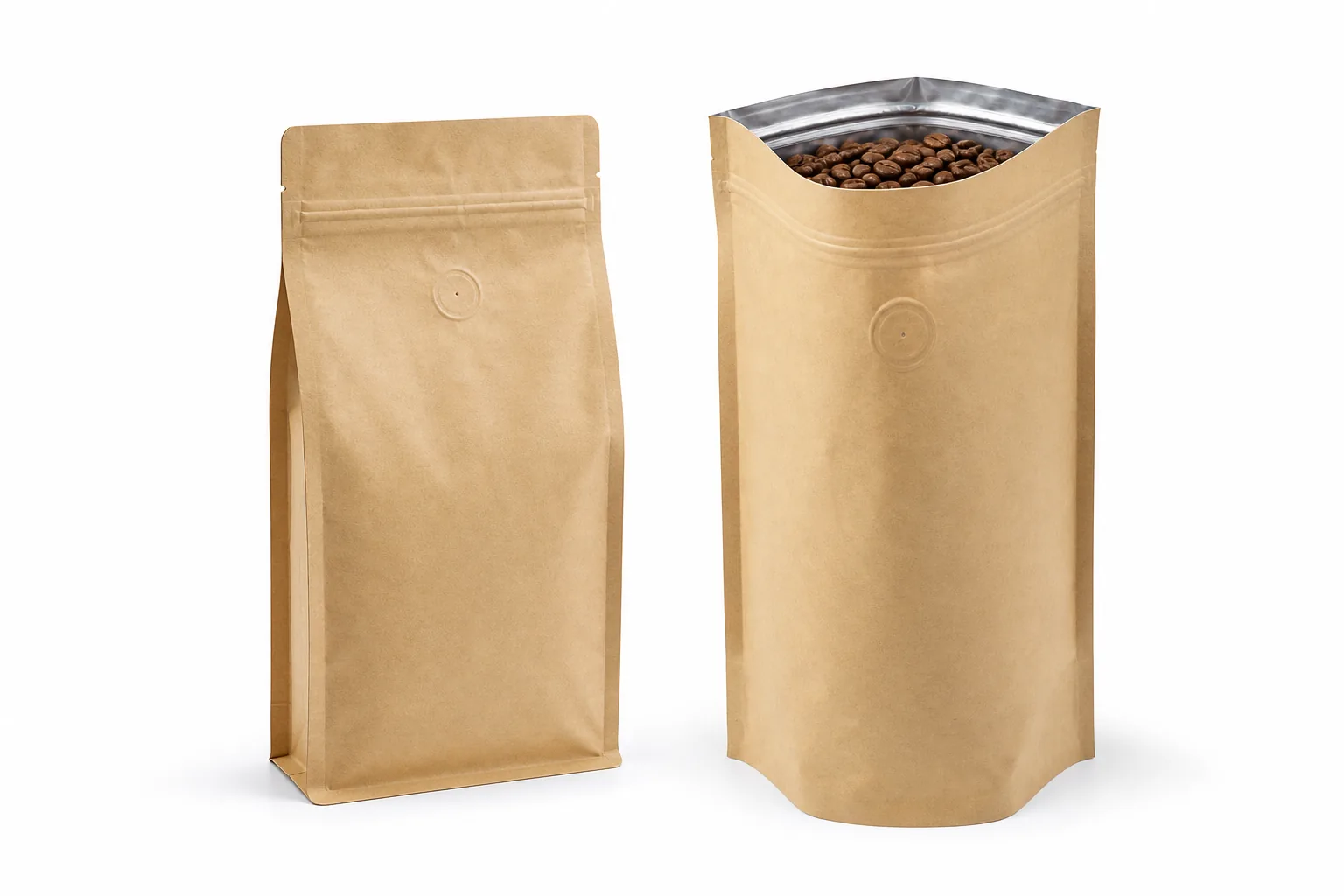
What a mushroom coffee co-packer actually does
A mushroom coffee co-packer blends roasted coffee with functional mushroom extracts, then packages the finished product in bags, stick packs, or single-serve formats for retail and DTC channels. The manufacturer owns dose uniformity, sensory consistency, batch documentation, and packaging integrity. Your brand owns the recipe brief, claims strategy, pricing architecture, and go-to-market plan. Treating those roles clearly keeps launches on schedule when something needs to change mid-project.
Not every coffee co-packer is ready for this category. Extracts behave differently than whole-bean coffee: they can clump, settle in hoppers, absorb moisture, and introduce earthy notes that fight the roast profile. Choosing a partner with functional beverage experience reduces the risk of a bitter or muddy cup, inconsistent mg-per-serving results, or failed retailer audits when documentation is thin. Ask for examples of mushroom, adaptogen, or fortified coffee work, even if details stay under NDA. A short technical conversation about hopper behavior, mix validation, and failed-lot disposition usually reveals more than a polished capabilities slide deck.
Define the product brief before you shop manufacturers
Start with the consumer benefit you want to own: focus (often lion's mane), calm or evening wind-down (often reishi), immune-season storytelling, or a blended daily wellness SKU. Decide target extract milligrams per serving, coffee roast profile, whether any sweetener or creamer bases are in scope, and whether the product will be positioned closer to conventional coffee with botanicals or closer to a dietary supplement. That classification choice affects labeling panels, claim language, and sometimes which buyers will list you.
Also lock your format early. Ground coffee bags, instant stick packs, and single-serve pods require different process controls, barrier packaging, and MOQs. Format choice affects equipment availability, packaging print lead times, and how extracts are incorporated relative to roasting and grinding. Bring a one-page brief covering benefit, dose, format, certifications, and directional first-year volume to every manufacturer call so quotes stay comparable instead of drifting into vague capability pitches. If two partners quote very different numbers against the same brief, ask which packaging, testing, and R&D line items are included before you assume one is simply cheaper.
Extract quality, standardization, and sourcing
Mushroom extracts vary widely by species, fruiting body versus mycelium, extraction method, solvent system, and standardized compound levels. Two ingredients marketed as "lion's mane" can perform very differently in the cup and in analytical testing. Ask suppliers for certificates of analysis, and ask your co-packer whether they verify incoming lots against those COAs before blending. Incoming verification is one of the simplest ways to prevent a production batch from failing potency after packaging is already printed.
Cheap extracts often create expensive problems: weak sensory performance, failed third-party tests, batch-to-batch drift, or consumer reviews that say the product "does nothing." A strong mushroom coffee manufacturer will help you balance ingredient cost against documented potency and cup quality rather than chasing the lowest invoice line. Budget for a realistic extract grade up front so your margin model is honest before you sell in to retail. It is better to launch one well-dosed SKU at a sustainable margin than to underdose three SKUs to hit a temporary price target that collapses when testing or reviews catch up.
Protecting actives during roasting and blending
High roast temperatures can degrade heat-sensitive compounds. Many successful programs roast coffee separately, then add extracts during a controlled post-roast blend under humidity management. That approach protects potency while letting the coffee team dial grind size and roast development for extraction and aroma. If a partner wants to throw extracts into green coffee before roasting without data, ask for stability evidence before you approve the process.
Humidity and mixing time matter just as much as heat. Extracts can cake in hoppers and create dose hot spots that make some servings over target and others under target. Ask how the facility manages moisture, blending equipment type, mix validation, and in-process sampling so every bag or serving lands near the labeled dose. Partners who only sample at the start and end of a run can miss mid-batch drift that shows up later in customer complaints. Request the sampling frequency in writing and confirm whether release criteria include both fill weight and active uniformity where your claims depend on dose.
Sensory: making mushroom coffee still taste like coffee
Consumers will forgive a mild earthy note. They rarely forgive a medicinal cup that no longer feels like their morning coffee ritual. Cupping panels should evaluate the finished blend against a coffee control with the same brew method, not only against other functional products. Iterate roast level, extract ratio, grind, and brew recipe until the hero impression is coffee first and function second. Document winning sensory scores with the approved formula code so reorders do not quietly drift.
When you later change extract suppliers, roast origins, or grind specs, re-cup before commercial production. Small sourcing changes can swing flavor more than brands expect, especially with concentrated extracts. Build a simple approval gate: no production release without sensory sign-off from someone on the brand side who tasted the pilot under the same brew conditions you expect customers to use. Keep retained samples from each commercial lot so you can investigate complaints with evidence instead of guesswork.
Labeling, claims, and compliance basics
Mushroom coffee sits near the food and supplement boundary. Structure/function claims, nutrient content claims, and disease claims each carry different risk and substantiation expectations. Your co-packer can help with accurate ingredient lists, allergen declarations, and panel layout. Regulatory classification and claim substantiation still belong with the brand and counsel. Align website copy, ads, and packaging early so you do not print one story and market another.
Avoid overpromising cognitive or medical outcomes. Clear, modest language plus transparent dosing usually ages better with retailers, marketplaces, and platforms than aggressive efficacy claims that invite scrutiny. If you need organic or kosher positioning, confirm the facility can maintain chain-of-custody documentation for those claims before you put seals on the artwork. Retailers increasingly ask for proof, and fixing artwork after print is one of the most expensive unforced errors in a functional coffee launch.
MOQs, timelines, and cost drivers
Directional pilot MOQs for mushroom coffee often start around 5,000 units per SKU, then step into launch and growth tiers as sell-through is proven. Exact MOQ depends on format, packaging print runs, extract lead times, and how many SKUs you introduce at once. Launching four flavors on day one multiplies inventory risk; many brands win by proving one hero benefit first, then expanding the line with evidence.
Cost is driven by extract grade, coffee green cost, packaging complexity, testing, and changeovers between SKUs. Multi-flavor lines need cleaning and validation between runs, which can matter more than the fill price alone. Ask for a line-item quote covering R&D samples, pilot production, commercial production, and optional fulfillment so you can compare partners on landed program cost rather than a single per-unit number. Also clarify who owns packaging procurement and what happens to leftover printed components if a SKU is discontinued.
Questions to ask a mushroom coffee manufacturer
How do you incorporate extracts relative to roasting? How often do you sample for dose uniformity during a run? Can you share a redacted batch record from a similar functional coffee or tea project? What are directional MOQs and lead times for my format? How do you handle organic segregation if needed? Who coordinates third-party testing for actives, and who owns failed-lot disposition?
Also ask whether fulfillment can ship finished goods for DTC or retail, and how reorder calendars work once you are in market. Complete Co-Pack supports mushroom and adaptogen beverage co-packing from our FDA registered facility in Sunrise, Florida, with formulation support, dose-aware production, and packaging guidance for private label brands ready to move from concept to pilot. Share your brief and target format to get directional MOQs, timeline, and a recommended pilot path.
A practical path from sample to shelf
A clean path looks like this: finalize the brief, approve extract suppliers and COA expectations, run sensory and dose pilots, lock label copy with counsel, print packaging, then produce a directional pilot batch for DTC or limited retail. Use sell-through and review quality to decide which SKU deserves the next volume tier. That sequence protects cash while still moving fast enough for a competitive category.
If you are also evaluating adaptogen coffee or broader functional pods, read our functional coffee pods compliance guide and adaptogen coffee private label playbook next. Those pieces cover claim structure and private label strategy in more depth while this guide stays focused on choosing the right mushroom coffee co-packer and manufacturer. Taken together, they give founders a complete briefing packet before the first facility tour or quote call.
Related service
View our Functional Beverages servicesRelated case study
Mushroom Coffee Brand: Pilot to Specialty Retail