
K-Cup Co-Packing
How to Choose a K-Cup Co-Packer (2026 Guide)
Selecting the right K-Cup co-packer determines your product quality, speed to market, and long-term margins. Use this checklist before you commit.
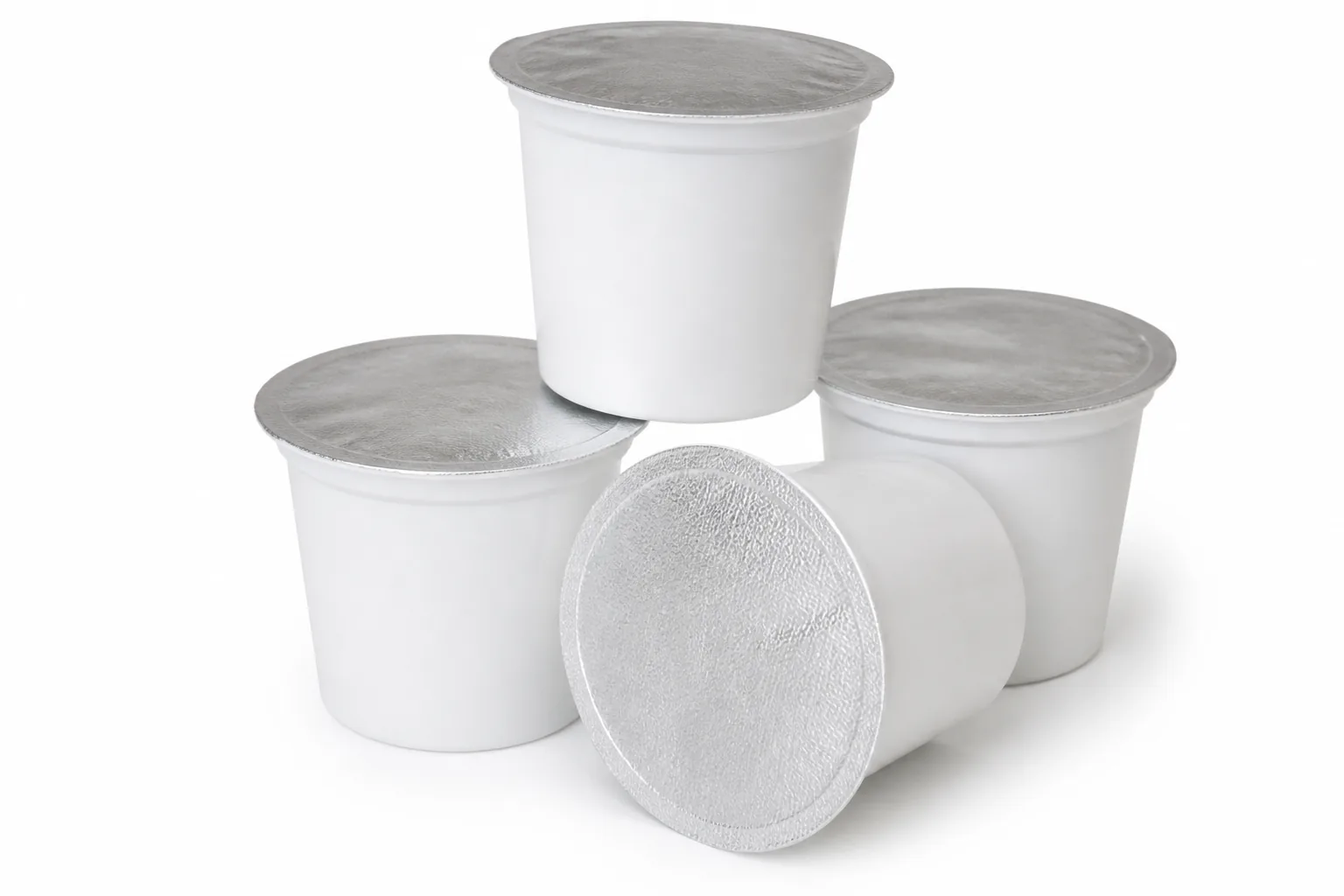
Why co-packing beats buying your own line
Entering the single-serve coffee market with in-house equipment requires six-figure capital, specialized technicians, and compliance overhead. Co-packing lets you validate SKUs, test retail placement, and scale volume without owning the production line.
The trade-off is partner selection. A weak co-packer creates inconsistent extraction, packaging failures, and delayed launches. Problems that are expensive to fix after your brand is on shelf. The rest of this guide walks through exactly what to check before you sign a production agreement.
Non-negotiables: certifications and facility standards
At minimum, confirm FDA registration and documented food safety programs. For organic or kosher claims, verify the facility holds current certifications. Not just "capable" language on a website.
Ask for audit summaries, allergen control procedures, and how they segregate organic vs conventional runs. SQF or similar GFSI benchmarks are common among national players; FDA registration with strong internal QC is acceptable for many emerging brands if documentation is solid.
Do not treat certifications as a checkbox exercise. If your brand markets itself as organic or allergen-free, your co-packer's documentation is what stands behind that claim during a retailer audit or a customer complaint investigation. It is worth the extra week of diligence.
Technical fit: grind, fill, and nitrogen flush
K-Cup quality lives in the details. Grind particle distribution affects flow rate and cup strength. Fill weight and tamp consistency affect extraction. Nitrogen flushing extends shelf life and protects aroma.
Request cupping results from pilot batches brewed on standard Keurig hardware. Not just lab metrics. If you supply your own coffee, confirm the co-packer will validate moisture, grind, and degassing protocols before production.
Ask how the co-packer handles a bad batch. Every production partner will eventually have an off-spec run somewhere in a multi-year relationship. What matters is whether they catch it in QC before it ships, and whether their sampling protocol is frequent enough to catch drift within a single production run rather than only at the start and end.
MOQ, lead time, and packaging flexibility
Minimum order quantities for K-Cups often start around 5,000 units per SKU. Clarify whether MOQ applies per flavor, per roast, or per packaging variant. Ask about storage of pre-printed materials and reorder lead times for repeat SKUs.
Packaging options matter early: 12-count retail cartons, 24-count club packs, and bulk foodservice boxes each require different artwork and line setup. A partner who handles design collaboration and label compliance saves weeks.
Also ask what happens if you need to change packaging mid-run. A new retailer requirement, an ingredient update, or a rebrand. Partners with flexible short-run capabilities can absorb these changes without forcing you to burn through old inventory first.
Compostable and sustainability considerations
A growing share of buyers ask about compostable pod options, recyclable lids, or reduced-plastic packaging. If sustainability is part of your brand story, confirm early whether your co-packer runs compostable-compatible equipment, since not every filling line can handle both standard and compostable pod materials without a changeover.
Compostable formats can also affect shelf life and nitrogen flush effectiveness differently than standard plastic pods. Ask for shelf-life data specific to the material you plan to use, not just general claims.
Questions to ask on the first call
What is your MOQ per SKU and typical lead time from approved artwork?
Do you roast in-house or toll-roast supplied beans?
Which pod formats do you support. Standard, compostable, tea, functional?
How do you handle organic chain-of-custody documentation?
Can you provide references from brands at a similar volume tier?
What is included in a pilot run vs full production pricing?
How do you sample and document quality during a production run, not just at the start?
Next steps
Complete Co-Pack offers K-Cup co-packing from our FDA registered facility in Sunrise, Florida with flexible MOQs, organic and kosher capabilities, and end-to-end support from blend development through fulfillment. Request a quote to discuss your SKU plan and timeline.
How to score a K-Cup partner on a one-page sheet
Use five columns: certifications, technical cup quality, MOQ and lead time, packaging range, and references at your volume. Score each 1 to 5 after the first call. Do not overweight a low unit price if the partner cannot show cupping on real Keurig hardware.
Add a sixth column for documentation. Redacted batch records, organic certificates, and a written sampling plan tell you more than a tour video. If a partner will not share any of those, treat that as a score of one.
Lid, carton, and barcode details that delay launches
Lid print, 12-count and 24-count carton dielines, UPC assignment, and case-pack specs often take longer than the fill itself. Retailers reject shipments for barcode placement and case labels more often than for roast profile.
Ask who owns packaging procurement and what happens to leftover printed lids if a SKU dies. A partner who also sells lids and cartons, or who already has your dieline library, shortens the first PO cycle.
Organic, kosher, and compostable as separate decisions
Organic chain-of-custody, kosher scheduling, and compostable pod materials are three different constraints. You can need none, one, or all three. Confirm which lines and which days those constraints apply so your launch date is real.
Compostable pods can change flush performance and shelf-life claims. Ask for material-specific data, not a sustainability paragraph copied from a brochure.
What a strong pilot looks like
A useful pilot is one roast, one carton style, cupping sign-off, and a written grind and fill spec you can reorder against. Three flavors on day one multiplies artwork and changeover cost before you know which roast sells.
Complete Co-Pack runs K-Cup programs from the same Sunrise facility as our sister site KCupCoPack. Both brands offer the same copacking services. Request a quote with your SKU count and whether you need organic handling.
Related service
View our K-Cup Co-Packing servicesRelated guide
K-Cup Co-Packing MOQ: What to Expect at 5,000 UnitsRelated case study
Regional Coffee Brand: 3-SKU K-Cup Launch in 10 Weeks