
K-Cup Co-Packing
K-Cup Co-Packing MOQ: What to Expect at 5,000 Units
MOQ is the number one question new brands ask co-packers. Here is what 5,000 units actually means for your launch budget and shelf strategy.
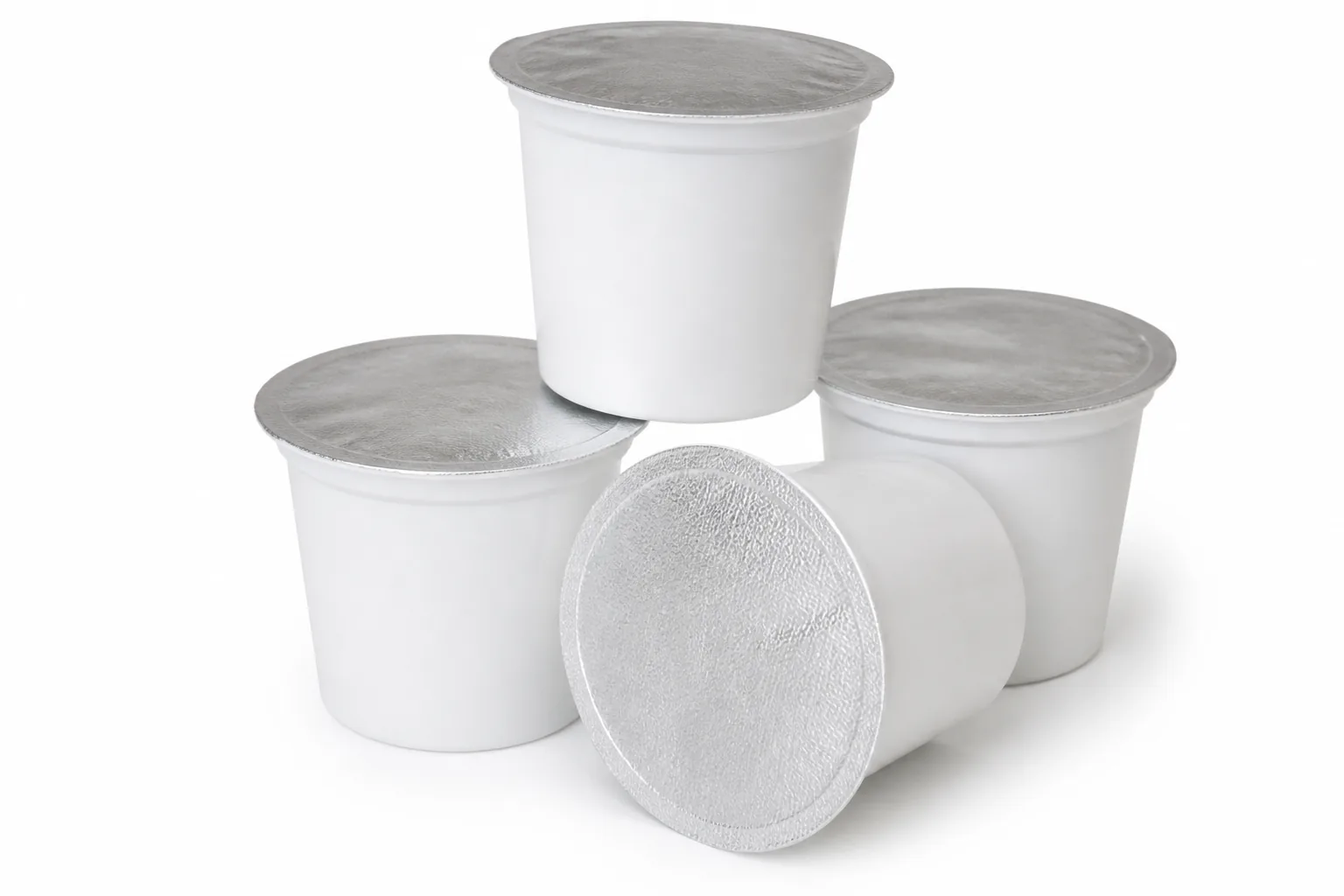
What MOQ means in K-Cup co-packing
Minimum order quantity is the smallest production run a co-packer will schedule on their filling line. For K-Cups, 5,000 units per SKU is a common starting point. Enough to justify line changeover, QA sampling, and material procurement.
MOQ is usually per stock-keeping unit: one roast, one flavor, one packaging configuration. Launching three flavors means three MOQs unless the co-packer offers a bundled pilot program.
It helps to think of MOQ less as an arbitrary gatekeeping number and more as a reflection of real changeover cost. Every time a filling line switches products, it needs to be cleaned, recalibrated, and requalified. That time and labor gets spread across the units in the run, which is why very small batches are disproportionately expensive per unit.
Economics of a first run
Your landed cost includes coffee or ingredient, pod components, lid printing, carton artwork, labor, QC, and co-packer margin. At 5,000 units, unit economics are higher than at 50,000. Plan retail pricing accordingly.
Pilot runs are investments in learning: extraction consistency, shelf life, consumer feedback, and sell-through velocity. Many brands treat the first MOQ as market validation, not full profit margin.
A useful exercise before your first run: model your landed cost at 5,000, 25,000, and 50,000 units side by side. Seeing how much per-unit cost drops at each tier helps you set realistic retail pricing now, rather than pricing too low at launch and having to raise prices once you scale.
Reducing risk before full MOQ
Start with one hero SKU in your strongest channel. DTC, regional retail, or office foodservice. Book a co-pack starter consultation to align formulation, packaging, and compliance before committing to production.
Sample approval gates are critical: do not skip cupping sign-off and packaging proof review. Rework on 5,000 units is costly; rework on 50,000 is catastrophic.
Consider staggering flavor launches instead of debuting three SKUs simultaneously at full MOQ each. Launching your strongest flavor first, validating sell-through, then adding the second and third flavors reduces total pilot capital at risk while still building out a full line over a few months.
Scaling after a successful pilot
Once a SKU proves sell-through, negotiate volume tiers for 25k, 50k, and 100k+ units. Repeat SKUs typically see shorter lead times because artwork, grind specs, and line parameters are locked.
Discuss inventory storage and fulfillment if you are DTC-heavy. Holding finished goods at the co-packer can simplify replenishment.
Common MOQ mistakes new brands make
The most common mistake is budgeting for one MOQ when the launch plan actually requires three or four. One per flavor, plus a bundled multi-pack SKU, plus a foodservice case-pack variant. Map every SKU variant you plan to launch and confirm the MOQ, and total capital required, for each one individually.
A second common mistake is underestimating packaging material MOQs, which can sometimes be higher than the production MOQ itself. A printed carton supplier may require a larger minimum print run than your co-packer requires for the pods themselves. Confirm both numbers before finalizing your budget.
What 5,000 units looks like on a shelf and in a warehouse
Five thousand K-Cups is roughly 417 twelve-count cartons, or about 208 twenty-four-count cartons. That is enough for a regional grocery test or a meaningful DTC launch, not a national warehouse program. Plan storage and sell-through before you add a second flavor at the same MOQ.
If you also need a club pack or a foodservice case, that is another SKU. Count every barcode you will sell, not just every roast name.
Hidden MOQs: film, lids, and cartons
Printed lids and retail cartons often have print-house minimums above the fill MOQ. You can meet a 5,000-pod production minimum and still be forced to print 10,000 cartons. Ask for both numbers in writing.
Leftover printed packaging is sunk cost if the roast or claims change. Keep first-run artwork conservative until cupping and retailer feedback are in.
How to fund a pilot without starving marketing
Model coffee, components, fill, freight, and a reserve for a second small run if the first sells through. Brands that spend the entire budget on three flavors at MOQ often have nothing left for samples, slotting, or ads.
A single hero SKU at 5,000 units plus a clear reorder trigger (for example, 40 percent of inventory sold) is a cleaner cash plan than a full line on day one.
When to step from 5,000 to 25,000
Move up a tier when you have repeat purchase data, a retailer PO, or a subscription curve you can forecast. Do not step up only because the unit price looks better on a spreadsheet.
At higher tiers, lock grind, lid, and carton specs so changeovers stay short. Complete Co-Pack can quote directional 5,000, 25,000, and 50,000 unit economics once your format and packaging are defined.
Related service
View our K-Cup Co-Packing servicesRelated guide
How to Choose a K-Cup Co-Packer (2026 Guide)Related case study
Regional Coffee Brand: 3-SKU K-Cup Launch in 10 Weeks