
Private Label Coffee
Florida Private Label Coffee: A 90-Day Grocery Launch Playbook
Florida and Southeast grocery buyers want proof of velocity, clean labels, and reliable US supply. This 90-day framework helps coffee brands go from concept to first PO.
Days 1–30: Product and positioning
Lock your hero SKU story: origin, roast profile, differentiation (organic, fair trade, functional add-ins). Run cupping panels and document win rates vs incumbents.
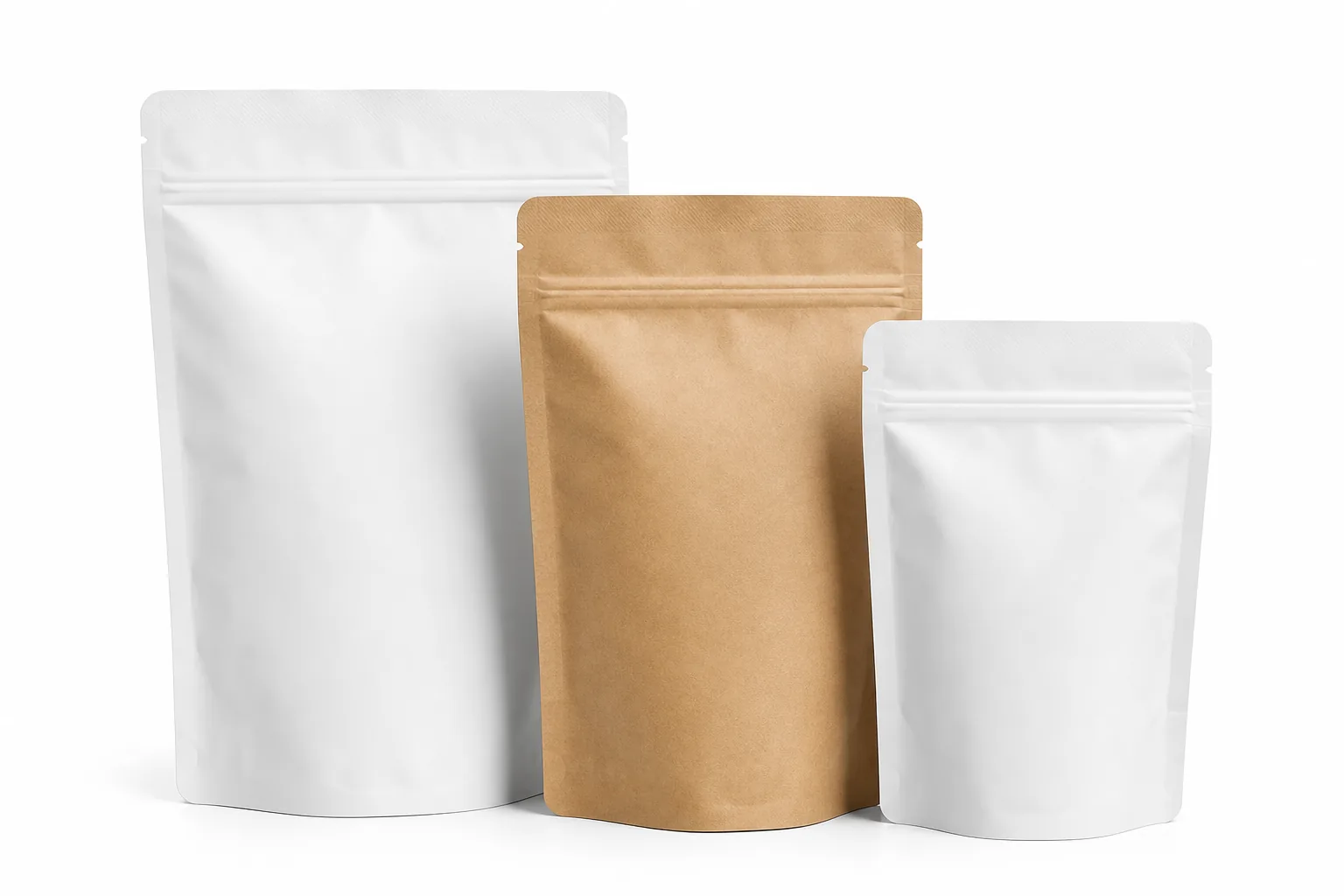
Define packaging architecture. Bag size, case pack, UPC needs, and whether you need K-Cups, ground, or whole bean for the first retail door.
Florida and Southeast grocery buyers often prefer a US plant they can visit and a freight story that does not depend on a West Coast or overseas fill. If you are pitching Publix-adjacent independents, regional specialty, or Florida foodservice, name your co-packer city and lead times in the first meeting.
This is also the window to finalize your regulatory basics: nutrition panel, allergen statement, and any organic or kosher certification paperwork you plan to display on-pack. Buyers will ask for this documentation before committing shelf space, so having it ready avoids a scramble later.
Days 31–60: Co-packer and compliance
Select a co-packer with the right certifications and format capabilities. Run a pilot at MOQ, approve QA samples, and finalize nutrition panels and allergen statements.
Build a one-page sell sheet and buyer deck with landed cost, suggested retail, and margin structure. Retailers buy stories backed by numbers.
Use this window to also lock your case pack and freight specifications. Pallet configuration, case dimensions, and shipping requirements vary by retailer, and getting these wrong after production is complete can delay your first delivery by weeks.
Days 61–90: Sell-in and production
Target regional chains or specialty distributors first. Faster decisions than national resets. Offer introductory promos and scan data commitments where possible.
Schedule production to land 2–3 weeks before first delivery date. Buffer for artwork revisions and freight. Late first shipments damage buyer relationships.
Preparing for the buyer meeting
Buyers evaluate new coffee SKUs on category fit, price-value versus incumbents, and evidence you can reliably supply. Come prepared with your co-packer's MOQ and lead-time terms in writing. Buyers increasingly ask for supply chain assurance, not just a good product story, especially from brands without an established retail track record.
Have a clear answer ready for "what happens if this SKU sells through faster than expected". Demonstrating that you have already confirmed reorder lead times and volume tiers with your co-packer signals operational readiness that many first-time brands overlook.
Packaging that survives retail reality
Retail coffee packaging has to protect aroma, communicate your story in two seconds, and survive rough handling from warehouse to shelf. Choose barrier materials and seals that match your roast freshness goals, and design cartons or bags that stand without looking fragile on a crowded set.
If you plan a single-serve SKU alongside bags, coordinate branding so the line reads as one brand family. Complete Co-Pack fills K-Cups, bags, pouches, and stick packs. KCupCoPack is our sister site. Both brands offer the same copacking services.
Inventory and cash flow for first retail POs
First retail orders often require you to hold safety stock while waiting on payment terms. Model cash needs for production deposits, printed packaging, and 30–60 days of finished goods before assuming sell-in revenue will fund the next run.
Agree with your co-packer on reorder lead times and volume step-ups early. Brands that wait until the first stockout to discuss replenishment often miss the next delivery window and lose shelf space.
Scaling after first placement
Track weekly velocity by SKU. Double down on winners, cut slow movers, and negotiate volume tiers with your co-packer at 25K and 50K units.
Complete Co-Pack supports private label coffee from pilot through multi-SKU retail programs at our Sunrise, Florida facility.
Buyer packet: what Florida grocery actually opens
A first meeting packet usually needs product story, target price, case pack, lead time, and proof you can replenish. A pretty pouch without a reorder plan does not get a second meeting.
Include your co-packer location and certifications. Florida buyers like knowing production is in-state when it is true. Do not imply local roasting if you are blending or packing only.
Pricing architecture before the first PO
Work backward from shelf price through retailer margin, freight, and your landed cost at the MOQ you will actually run. If the math only works at 50,000 units and you are buying 5,000, you do not have a launch price. You have a hope.
Decide whether pods and bags are the same brand family with aligned claims. Mixed messages on organic or origin stories get caught in reset reviews.
Week-by-week 90-day outline
Days 1 to 30: lock roast, format, and label copy. Days 31 to 60: approve samples, print packaging, and book production. Days 61 to 90: produce, receive, and sell in with a written replenishment trigger.
Certifications, multi-SKU art, and retailer lab tests can stretch this. Treat 90 days as the clean path, not a promise that ignores your extras.
After the first PO: protect the second one
Track sell-through weekly. Reorder before you are empty. Tell the co-packer your forecast, not only the last invoice. Stockouts teach buyers that your brand is risky.
Complete Co-Pack supports bags, pouches, stick packs, and K-Cups from Sunrise so the second PO can add a format without changing manufacturers. Share the buyer case-pack early.
Related service
View our Private Label Coffee servicesRelated guide
Florida Co-Packing: What Brands Should Look ForRelated case study
Regional Coffee Brand: 3-SKU K-Cup Launch in 10 Weeks