
Co-Packing Basics
What Is a Co-Packer for Coffee, Tea, and Pouch Brands?
Co-packing means a Florida facility manufactures coffee, tea, functional beverages, or oral pouches under your brand. Here is what that relationship covers, what it costs, and when it is the right move.
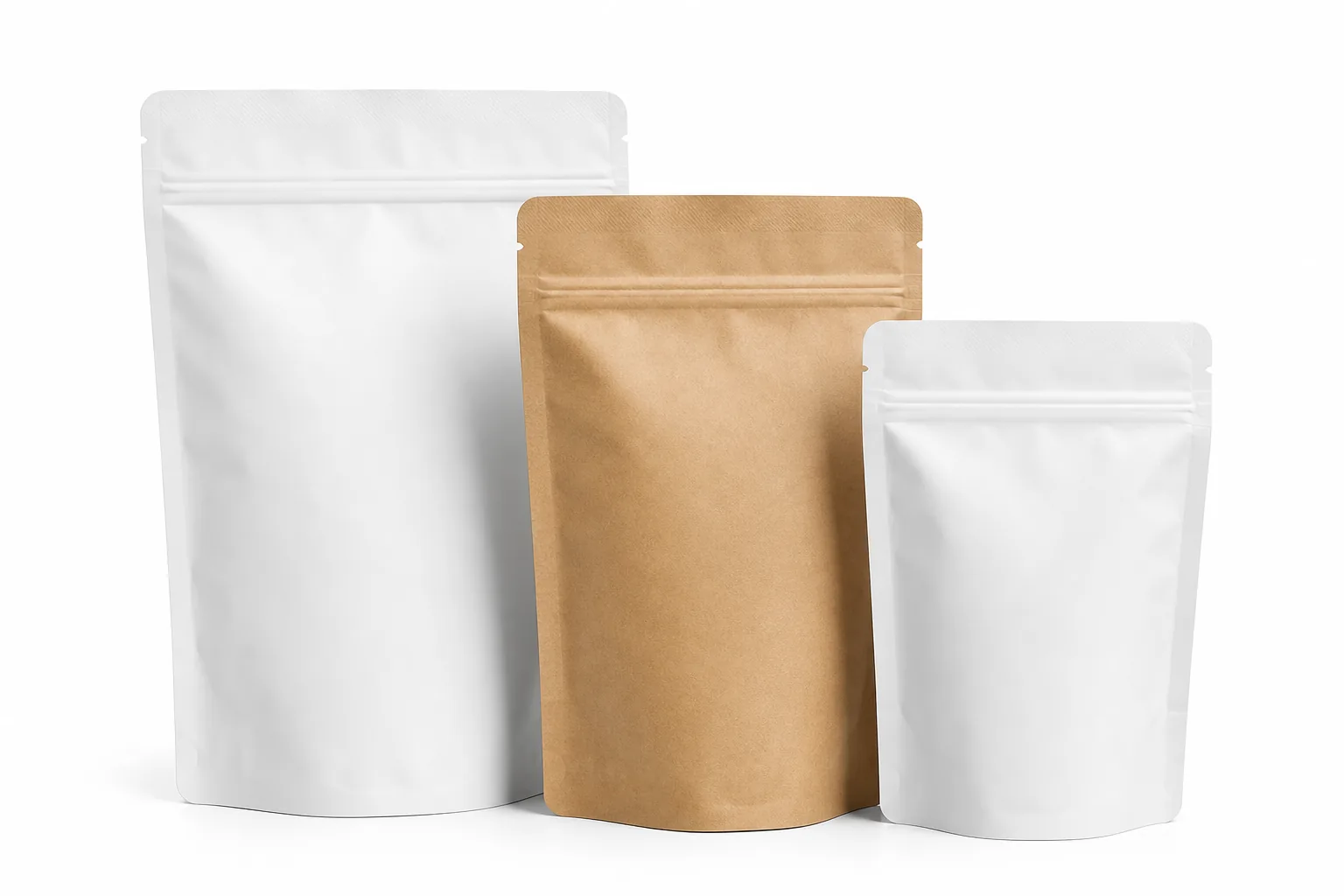
What is a coffee, tea, or pouch co-packer?
A co-packer (short for contract packager, and often used interchangeably with contract manufacturer) is a company that manufactures and packages products on behalf of another brand. Instead of building your own production line, you partner with a facility that already has the equipment, staff, and certifications to make your product at commercial scale.
This guide is written for coffee, tea, functional beverage, and oral pouch brands, not as a generic encyclopedia of every contract packing category. Complete Co-Pack is an FDA registered co-packer in Sunrise, Florida. If you are deciding whether to outsource a first coffee SKU, a tea program, or a pouch line, that is the decision this page is for.
Co-packing is the manufacturing relationship itself. Your brand owns the recipe, packaging design, and go-to-market strategy. The co-packer owns the equipment, production floor, quality control, and often sourcing for ingredients and packaging components.
What a co-packer actually does, day to day
A typical engagement starts with a consultation to understand your product, target format, and volume expectations. From there, the co-packer helps validate or develop your formulation, source ingredients and packaging components, run pilot batches for approval, and then execute full production runs with quality checks at each stage.
Beyond the physical manufacturing, most co-packers also support elements you might not expect: label compliance review, batch and lot documentation for traceability, packaging artwork coordination, and sometimes fulfillment. Picking, packing, and shipping finished goods directly to retailers or consumers.
Co-packing vs. Private label vs. White label
These terms get used loosely, so it helps to separate them. Co-packing is the broad manufacturing relationship. A facility makes your product. Private label means the formulation, flavor, and packaging are unique to your brand, developed specifically for you. White label means you are selling an existing, proven formulation under your own branding, usually with faster turnaround and lower development cost.
Many brands start with a white label product to get to market quickly, then transition to a private label formulation once they have validated demand and want true product differentiation.
What it costs and how MOQs work
Co-packers typically price per unit, with costs driven by ingredient complexity, packaging format, order volume, and any custom formulation work. Minimum order quantities (MOQs) exist because production lines have real changeover costs. Cleaning, recalibrating, and running quality checks every time the line switches to a new SKU.
MOQs vary widely by category: single-serve pod formats (like K-Cups) often start around 5,000 units per SKU, while other formats may have different thresholds. Ask any prospective partner for their MOQ per SKU, per flavor, and per packaging variant. These are sometimes counted separately, which can catch new brands off guard when budgeting a multi-SKU launch.
What to verify before signing with a co-packer
Confirm FDA registration and any category-specific certifications you need. USDA Organic, Kosher, or others relevant to your product claims. Ask about quality systems: batch documentation, allergen controls, and how they handle organic or allergen segregation on shared equipment.
Request references or case studies from brands at a similar volume tier to yours, and ask specifically about lead times from approved artwork to finished goods. A co-packer that is a great fit for a 500,000-unit national brand may not be the right fit. Or may not even take on. A 5,000-unit pilot run, so match your search to your actual stage.
When co-packing makes sense. And when it does not
Co-packing makes the most sense when you are validating a new product, entering a new category, or do not yet have the volume to justify owning equipment. It converts a large fixed capital cost into a variable per-unit cost, which is usually the right trade for an early or mid-stage brand.
It tends to make less sense once you have a single SKU running at very high, stable volume where in-house production math clearly wins. Though even then, many established brands keep a co-packing relationship for secondary SKUs, seasonal runs, or new format testing.
Getting started
Before you contact a co-packer, get clear on your product category, target format, rough volume expectations, and any certifications your positioning depends on. That preparation makes the first call far more productive and helps you compare quotes on an apples-to-apples basis.
Complete Co-Pack is an FDA registered co-packing facility in Sunrise, Florida supporting coffee, tea, functional beverage, and nicotine pouch brands from first pilot run through commercial-scale production, with USDA Organic and Kosher capabilities available.
Co-packer vs manufacturer vs contract packager
Buyers search these terms interchangeably, and that causes quote confusion. A contract packager may only fill and seal a product you already made. A contract manufacturer often sources ingredients and runs the full process. A co-packer, in coffee, tea, and pouch work, usually sits in the middle: formulation support plus commercial filling, packaging, and batch records.
Ask every partner to list the stages they own: R&D, ingredient buying, filling, secondary packaging, storage, and fulfillment. Two quotes that look far apart usually differ in scope, not honesty. Write the scope into the comparison sheet before you pick a winner.
Formats a beverage co-packer typically runs
Coffee and tea programs show up as bags, stand-up pouches, stick packs, tins, and single-serve pods. Functional beverages often use the same formats with tighter dose controls. Oral nicotine and wellness pouches use canisters, sleeves, and high-speed pouch filling rather than brew hardware.
Format choice drives MOQ, barrier film, print lead time, and which line you sit on. Lock the primary format before you shop partners so you are not comparing a bag quote to a pod quote and calling them the same project.
A first-call brief that gets useful quotes
Send a one-page brief: category, format, target dose or roast, certifications you need, first-year volume by SKU, and whether you need storage or pick-and-pack. Include a target ship date and whether packaging artwork is started.
Partners can then price the same job. If you only say "we need a co-packer," you will get capability slides instead of numbers. Complete Co-Pack uses that brief to map MOQ, timeline, and whether a pilot or a launch-tier run is the right first step in Sunrise, Florida.
How fulfillment fits the relationship
Many brands assume manufacturing ends when pallets leave the dock. DTC and subscription brands often need the same partner to hold finished goods, pick orders, and ship to homes or retailers. That is fulfillment, not fill-only work.
If replenishment speed matters more than the lowest fill price, ask about inventory storage, lot rotation, and cut-off times before you sign. See our fulfillment page and the fulfillment guide for the questions that belong in the manufacturing contract, not a later surprise.
Related service
View our Co-Packing Basics servicesRelated guide
Florida Co-Packing: What Brands Should Look ForRelated case study
Regional Coffee Brand: 3-SKU K-Cup Launch in 10 Weeks