
Nicotine Pouches
White Label vs Private Label Nicotine Pouches
Both paths get you a canister on a shelf. They differ enormously in speed, cost, and how defensible your brand is once competitors notice your traction.
The core difference
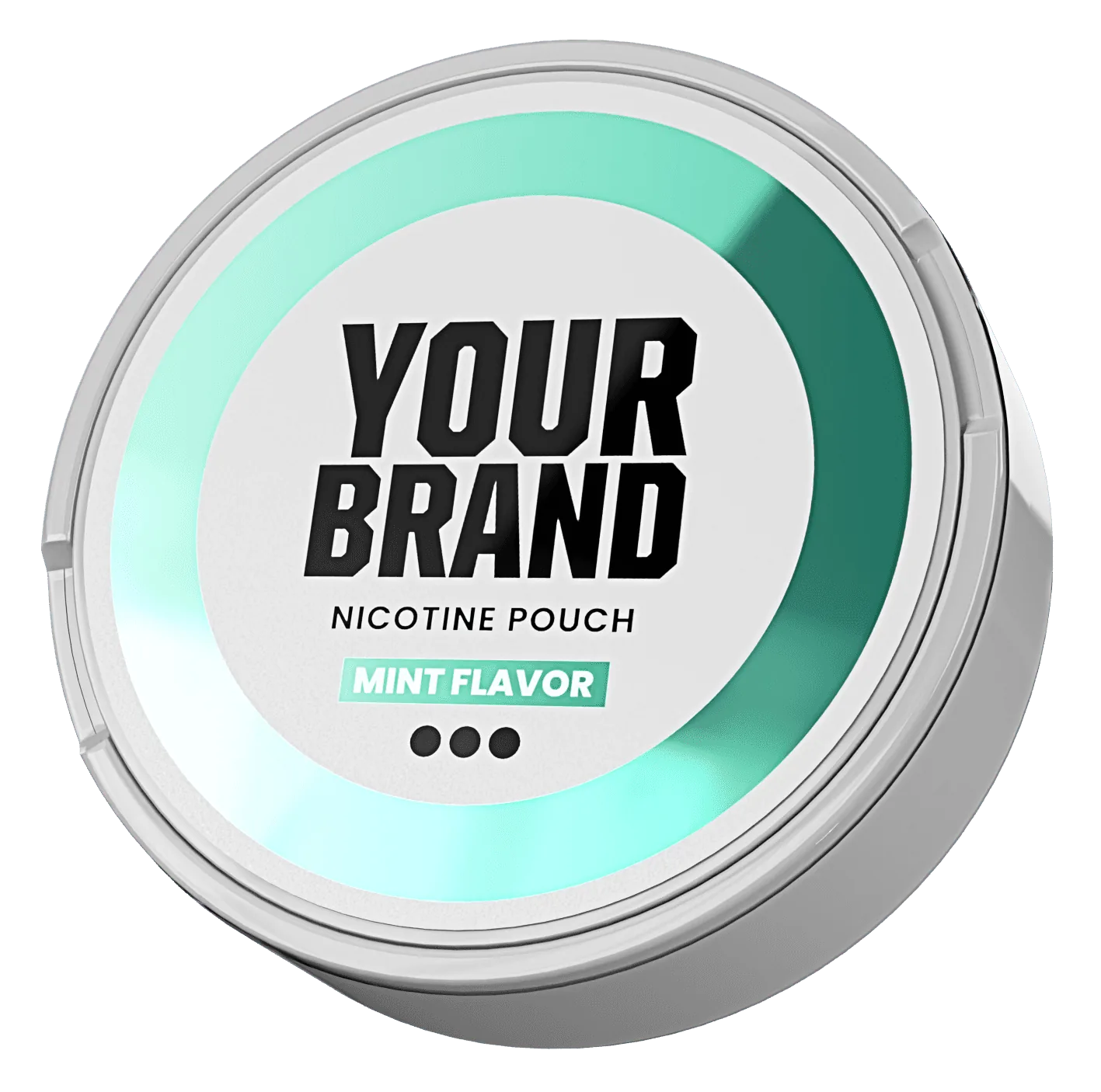
White label means you are applying your branding to a manufacturer's existing, proven formulation. The flavor system, nicotine delivery, and pouch format already exist. You choose from available options and add your logo, canister design, and marketing.
Private label means the manufacturer develops a formulation specific to your brand. Custom flavors, tuned nicotine strengths, and packaging that is not available to any other brand using that facility. It takes longer and usually costs more upfront, but the resulting product is yours alone.
Speed to market
White label is built for speed. Because the base formulation already exists and has typically already cleared internal quality validation, a white label program can sometimes move from first conversation to finished goods in a matter of weeks, limited mostly by packaging design and print lead times rather than product development.
Private label requires a formulation development cycle. Iterating flavor profiles, validating nicotine strength consistency, running stability and sensory testing, and getting sign-off before locking specs for production. Expect 8–12 weeks from kickoff to first production run, sometimes longer for more complex flavor systems.
Cost and MOQ considerations
White label programs generally carry lower upfront cost since there is no formulation development fee, and MOQs can sometimes be lower because the manufacturer is producing a formulation they already run for other clients.
Private label involves formulation development investment and often a higher first-run MOQ to justify the dedicated production setup. However, once in commercial production, per-unit costs between white label and private label converge. The meaningful cost difference is concentrated in the development phase, not the ongoing manufacturing.
Differentiation and competitive risk
The real strategic question is not cost or speed. It is defensibility. A white label formulation may be available to other brands sourcing from the same manufacturer, meaning a competitor could launch a very similar product using the identical base recipe. This is a real risk once a white label product gains traction: competitors notice and can move quickly to copy the flavor and format.
Private label formulations are exclusive to your brand by agreement, giving you a defensible product story and reducing the risk of a fast-follower competitor undercutting you with the same base product under a different label.
A common hybrid path
Many successful nicotine pouch brands do not choose one path permanently. They launch white label to generate early revenue, reviews, and retail interest with minimal upfront risk, then transition their best-performing SKUs to private label formulations once demand is validated and they are ready to invest in true differentiation.
This staged approach lets you test flavor and market fit cheaply before committing formulation development budget to the SKUs that have actually proven themselves with real customers.
How to decide
Choose white label if your priority is speed to shelf, minimal upfront investment, and validating market interest before committing further capital. Choose private label if you already have strong brand traction, need a defensible product story for retail or investor conversations, or have specific flavor and strength requirements that no existing formulation satisfies.
Whichever path you choose, ask your manufacturing partner directly whether a given formulation is exclusive to your brand or shared across clients. This single question resolves most of the ambiguity between the two models.
Contract language that makes the choice real
Ask whether the base formula is offered to other brands, whether your flavor tweaks become exclusive, and who owns leftover custom packaging. Get those answers in the agreement, not in a sales email.
If the manufacturer will not put exclusivity in writing, treat the SKU as white label even if the deck says private label. That honesty keeps your pricing and brand story aligned.
When white label is the wrong shortcut
If your retail pitch is "our proprietary blend," a shared base formula will not survive a buyer who asks two vendors the same question. If you already promised exclusive flavors to an investor or distributor, start private label.
White label is still the right tool for testing mint versus fruit, or proving that your team can sell cans at all, before you fund a custom system.
Cost model beyond the development fee
Include sample rounds, stability time, custom can print, and the inventory you will hold if the first flavor misses. Private label looks expensive until you count the cost of launching a me-too SKU that never earns a second PO.
White label looks cheap until a competitor lists the same base under a louder brand. Model both paths at 90 days and 12 months, not only at kickoff.
How Complete Co-Pack runs both paths
We support faster branded programs on proven systems and custom private label development when you need exclusive flavor and strength work. The first call should decide path, not pretend they are the same quote.
Use the manufacturing checklist next, then the US versus overseas guide if geography is still open. Path and geography are separate decisions.
Related service
View our Nicotine Pouches servicesRelated case study
DTC Nicotine Pouch Brand: Pilot to 50K Units