
Functional Beverages
Adaptogen Coffee Private Label: MOQs, Claims, and Launch
Adaptogen coffee brands win when the ritual feels familiar and the functional story is credible. This playbook covers formulation, MOQs, and first production.
Why private label adaptogen coffee is growing
Consumers already drink coffee daily. Adding adaptogens such as ashwagandha, rhodiola, or holy basil lets brands sell a wellness benefit inside a habit people already have. That combination is powerful for DTC and specialty retail when the cup quality holds up and the label story stays credible. The category rewards brands that treat coffee craft and botanical science as equal priorities instead of dumping extracts into an average roast. Shoppers can tell when a product was designed only for the claim on the front panel, and reviews punish that shortcut quickly.
Private label matters here because differentiation is the point. If your blend tastes and doses like every other "calm coffee" on the shelf, price becomes the only lever and margins compress quickly. Custom roast profiles, proprietary botanical ratios, distinctive packaging, and a clear occasion-based story create a brand that is harder to copy when competitors notice your traction. Private label is how you turn early demand into a defensible catalog instead of a temporary white label spike.
Choose one hero adaptogen story first
New brands often want five actives in the first SKU. That raises ingredient cost, complicates labeling, increases sensory risk, and muddies the consumer message. Launch with one clear benefit and one or two complementary botanicals, then expand once the hero SKU proves velocity and review quality. Retail buyers also prefer a simple set story over a crowded line of underfunded flavors. A focused assortment is easier to merchandise, easier to sample, and easier to replenish without stranding cash in slow SKUs.
Map each active to a daypart or occasion: morning focus, midday stress support, or evening wind-down that still respects coffee flavor. Occasion-based positioning helps retail buyers understand where the SKU lives on the set and helps your creative team write ads that do not need a science lecture. If you later add mushroom extracts, keep the hero benefit consistent so the brand architecture stays clean. Consumers should understand in one glance whether a SKU is for focus, calm, or daily wellness without reading a paragraph of fine print.
Formulation: dose, bioavailability, and cup balance
Work backward from a labeled serving dose that is meaningful and manufacturable. Extremely high botanical loads can wreck flavor, clog filling equipment, and create bitter aftertastes. Extremely low doses create claim risk and weak reviews when consumers feel no difference from regular coffee. Your co-packer's R&D team should help you find the dose band that survives sensory panels and production realities. Bring reference products you admire and products you want to avoid so the team can calibrate flavor and mouthfeel quickly.
Approve a formula only after cupping the commercial process path you intend to use in production, not a kitchen-scale mix that never sees the same grinders, blenders, or packaging atmosphere. Document mix order, extract incorporation method, and target analytical ranges. Those details are what keep reorder batches tasting like the pilot that won your first reviews. When something changes upstream, update the formula code and re-approve sensory before you ship the next retail PO.
White label vs private label for adaptogen coffee
White label adaptogen coffee can get you to market quickly with a proven base formula and faster packaging turnaround. It is useful for testing channel demand, creative angles, and price elasticity before you invest heavily in custom development. Treat white label as a learning phase with an exit plan into private label for winners, not as a permanent strategy if defensibility matters to your brand. The trade-off is limited exclusivity if other brands can buy a similar base from the same manufacturer.
Private label invests in a custom botanical system and roast profile exclusive to your brand. Many teams start white label for one SKU, then move the winner to private label once reviews and reorder rates justify the development work. Ask any partner directly whether a given formula is exclusive, shared, or available as a catalog item so you know what you are buying. That single question prevents most misunderstandings between white label speed and private label defensibility.
Claims language that stays retail-safe
Structure/function language and careful wording beat medical promises. Retailers, marketplaces, and ad platforms increasingly scrutinize stress, sleep, and cognitive claims. Align packaging copy with your counsel before print, and keep website claims consistent with the label so you do not create a compliance mismatch across channels.
List botanicals clearly, disclose serving size, and avoid stacking so many actives that the Supplement Facts or ingredient panel becomes confusing. Clarity builds trust with both buyers and consumers. If your product straddles food and supplement classification, get a written opinion from counsel before you finalize artwork and sell sheets. Classification mistakes are painful to unwind after packaging is printed and ads are live.
Packaging formats for adaptogen coffee
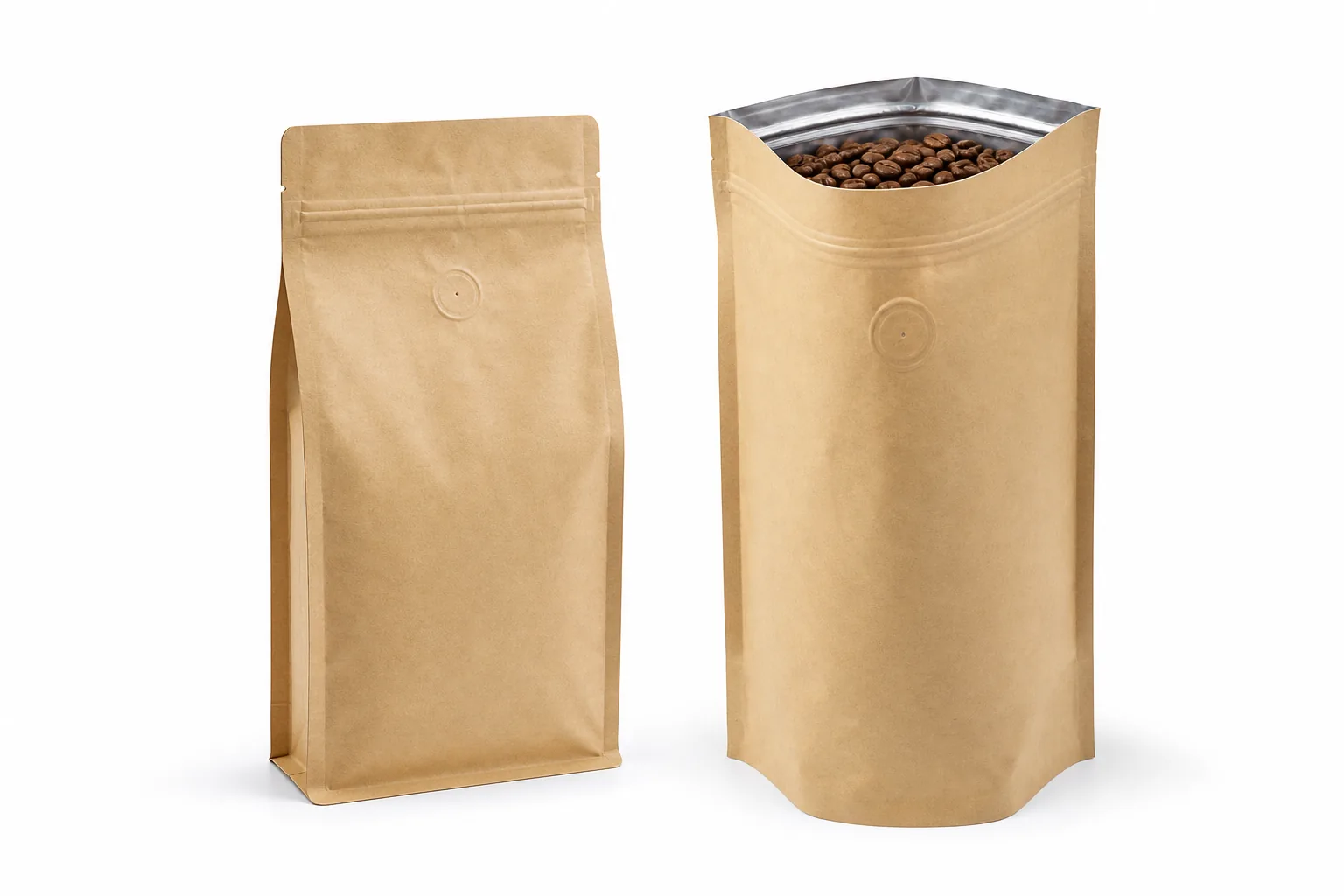
Bags and pouches work well for home brewing rituals and larger household packs. Stick packs travel well for on-the-go occasions and sampling. Single-serve pods fit convenience-driven households that already live on pod brewers. Each format has different barrier needs, fill tolerances, and MOQ implications, so choose based on channel rather than trying to launch every format at once. A DTC-first brand may prioritize stick packs for sampling, while a specialty grocery launch may prioritize bags with strong shelf presence.
Complete Co-Pack supports functional coffee and tea co-packing across pods, stick packs, pouches, and bags from Sunrise, Florida, including adaptogen and mushroom systems. KCupCoPack is our sister site. Both brands offer the same copacking services.
MOQs, pilots, and launch timeline
Plan a directional pilot around 5,000 units per SKU to validate dose and flavor, then step into launch volumes once sell-through looks healthy. Multi-SKU launches should be sequenced if cash is tight; one strong hero usually beats three underfunded flavors that dilute marketing and inventory. Ask your co-packer for volume tiers so your finance model can map cost steps as you grow. Directional pilots around 5,000 units per SKU are a common starting point, with launch and growth tiers stepping up after sell-through is proven.
A typical private label path runs discovery, R&D and sensory, label and artwork, then pilot production over roughly 8 to 12 weeks depending on extract lead times and packaging print. Build buffer for claim review and retailer listing cycles. Brands that treat regulatory copy as a last-minute task often miss the ship date they promised buyers. Put claim review on the critical path in week one, not week eight.
How to brief your co-packer
Send target benefit, active list with preferred doses, roast preference, format, estimated first-year volume, and certification needs such as organic or kosher. Include any non-negotiable sensory notes, for example "no medicinal aftertaste" or "medium roast chocolate notes preferred." The clearer the brief, the fewer expensive sample rounds you will need. Include forbidden ingredients, allergen constraints, and any retailer packaging requirements you already know about so those do not appear as surprises after sensory approval.
Ask for a written process proposal covering extract incorporation, sampling plan, directional MOQ tiers, and packaging lead times. Complete Co-Pack helps adaptogen coffee brands move from brief to pilot with formulation support and compliance-aware packaging guidance at our FDA registered Sunrise facility. Bring your occasion story, dose targets, and format preference to the first call so we can recommend a realistic pilot and timeline.
After launch: what to measure before you expand the line
Track repeat purchase rate, review themes related to taste versus effect, and retail velocity by door if you are in wholesale. If customers love the taste but doubt the effect, revisit dose and extract grade. If they like the idea but hate the cup, revisit roast and botanical load before you spend more on ads. Do not scale paid acquisition against a product that has unresolved sensory or dose issues; manufacturing fixes are cheaper than wasted media.
Only after the hero SKU is stable should you add a second adaptogen occasion or a mushroom coffee companion SKU. That discipline protects working capital and keeps your brand story coherent. Expansion should feel like earned complexity, not a catalog built to impress a pitch deck. When the second SKU finally ships, it should inherit the operational discipline you already proved on the first hero product in market. For mushroom-specific manufacturing questions, see our mushroom coffee co-packer guide next. For labeling and compliance detail across functional coffee formats, see our functional coffee pods compliance guide as well.
Related service
View our Functional Beverages servicesRelated guide
How to Choose a Mushroom Coffee Co-PackerRelated case study
Mushroom Coffee Brand: Pilot to Specialty Retail